
Table of contents
- Overview
- What is PTC Windchill?
- Why Organizations Customize Windchill
- The Role of a PLM Windchill Developer
- Why Java is Used for Windchill Customization
- Common Windchill Customization Areas
- Windchill Integration with Enterprise Systems
- Benefits of Windchill Customization
- Industries That Benefit from Windchill Development
- Best Practices for Windchill Customization
- Final Thoughts
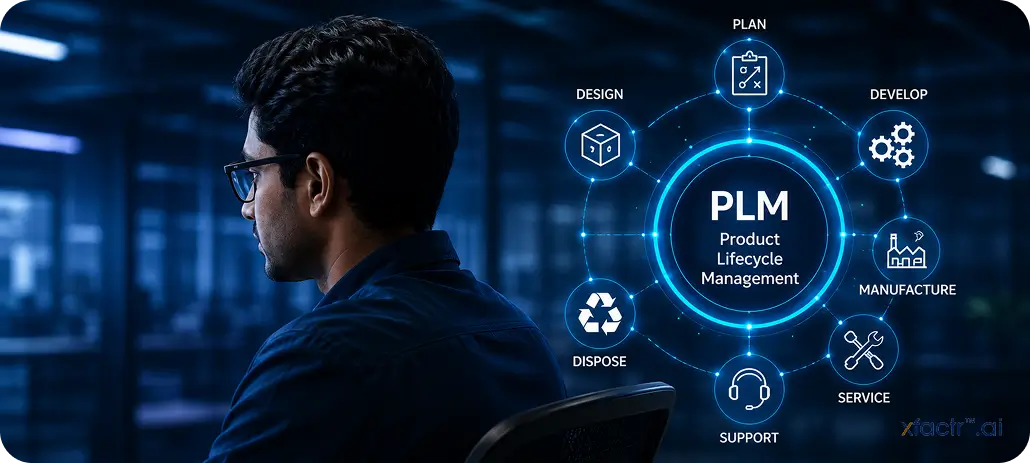
In today’s competitive manufacturing and product development landscape, organizations need robust Product Lifecycle Management (PLM) systems to manage product data, streamline workflows, and accelerate innovation. PTC Windchill is one of the industry’s leading PLM platforms, helping enterprises manage product information from concept and design to manufacturing, service, and retirement.
While Windchill provides powerful out-of-the-box capabilities, many organizations require customizations to align the platform with their unique business processes, engineering workflows, and compliance requirements. This is where a skilled PLM Windchill Developer plays a crucial role.
Using Java-based customization, Windchill developers can extend platform capabilities, automate business processes, integrate enterprise systems, and create tailored user experiences that improve productivity and operational efficiency.
In this article, we’ll explore how PLM Windchill developers leverage Java to customize PTC Windchill and deliver enterprise-grade PLM solutions.
What Is PTC Windchill?
PTC Windchill is a comprehensive Product Lifecycle Management platform designed to manage product data, engineering information, documents, workflows, and product configurations throughout the product lifecycle.
The platform enables organizations to:
- Manage product data centrally
- Improve engineering collaboration
- Control product versions and revisions
- Streamline change management processes
- Ensure regulatory compliance
- Accelerate product development cycles
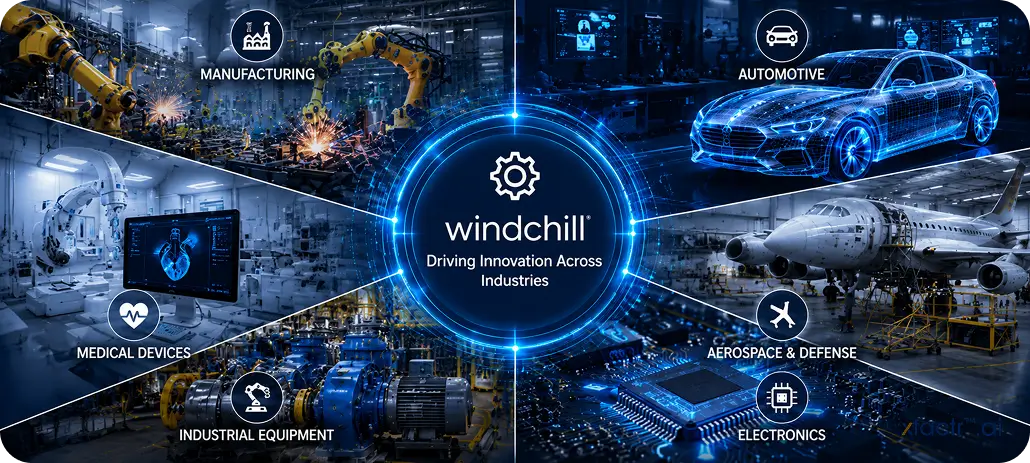
Windchill is widely used across industries such as manufacturing, automotive, aerospace, medical devices, industrial equipment, and electronics.
Why Organizations Customize Windchill
Every organization operates differently.
While standard Windchill functionality addresses common PLM requirements, enterprises often need custom features to support specific workflows and business rules.
Common reasons for customization include:
Process Automation
Organizations frequently automate repetitive tasks to reduce manual effort and improve efficiency.
Examples include:
- Automatic document creation
- Workflow routing
- Change request approvals
- Notification management
- Data validation processes
Custom User Interfaces
Companies often require tailored dashboards and interfaces that provide users with relevant information and simplified navigation.
Business Rule Enforcement
Many industries must comply with strict quality, regulatory, and engineering standards.
Customizations help enforce:
- Approval hierarchies
- Data governance policies
- Compliance requirements
- Product validation checks
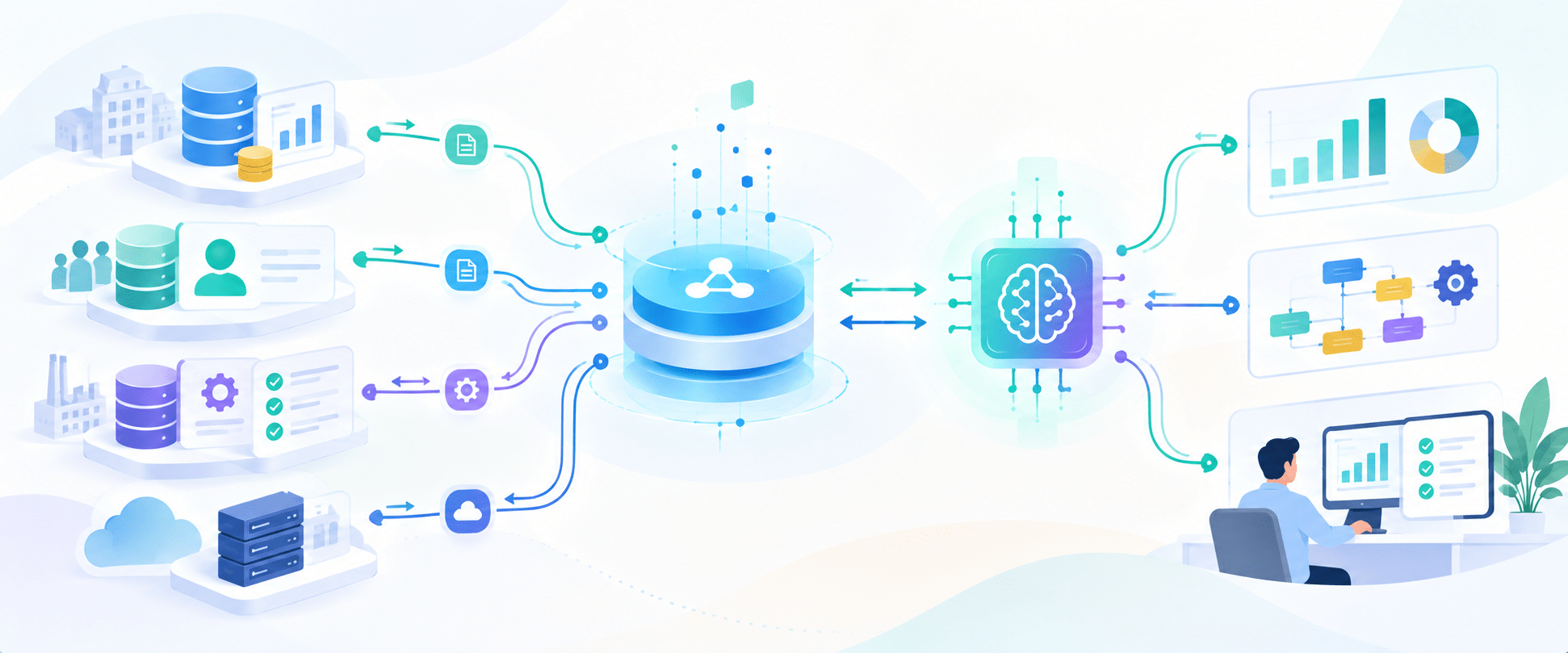
Enterprise System Integration
Windchill often needs to communicate with:
- ERP systems
- CRM platforms
- MES systems
- CAD applications
- Supplier portals
- Business intelligence tools
Java customization enables seamless integration between these systems.
The Role of a PLM Windchill Developer
A PLM Windchill Developer specializes in configuring, customizing, and extending the Windchill platform using Java and related technologies.
Their responsibilities typically include:
Custom Application Development
Developing custom modules and applications tailored to specific business needs.
Workflow Customization
Designing automated workflows that improve process efficiency and reduce bottlenecks.
Integration Development
Connecting Windchill with third-party systems to enable seamless data exchange.
UI Enhancement
Creating customized interfaces that improve usability and productivity.
Performance Optimization
Ensuring the platform operates efficiently even under high workloads.
Data Migration
Supporting migration from legacy PLM systems into Windchill environments.
Why Java is Used for Windchill Customization
PTC Windchill is built on Java-based architecture, making Java the primary language for customization and extension.
Java provides several advantages:
Scalability
Java applications can handle large enterprise workloads and growing product data volumes.
Security
Strong security frameworks support enterprise-grade authentication and authorization.
Platform Independence
Java applications can run across multiple operating systems and environments.
Rich Ecosystem
A vast collection of libraries and frameworks accelerates development and integration.
Long-Term Support
Java remains one of the most stable and widely adopted enterprise programming languages.
Because Windchill itself is built on Java technologies, developers can extend core functionality without disrupting platform stability.
Common Windchill Customization Areas
Workflow Development
Organizations often customize workflows to automate product lifecycle activities.
Examples include:
- Engineering change management
- Document approval processes
- Supplier collaboration workflows
- Product release procedures
Customized workflows reduce delays and ensure consistency across teams.
Custom Actions and Business Logic
Developers can create custom actions that execute specific business processes automatically.
Examples include:
- Auto-generation of reports
- Metadata updates
- Status transitions
- Validation checks
Form and Interface Customization
User interfaces can be modified to improve productivity.
Common enhancements include:
- Custom forms
- Dynamic fields
- Role-based views
- Dashboard widgets
- Interactive reports
Reporting and Analytics
Custom reports provide valuable insights into:
- Product development progress
- Change management performance
- Engineering productivity
- Compliance status
Windchill Integration with Enterprise Systems
Modern organizations rely on interconnected systems.
A PLM Windchill Developer often builds integrations that connect Windchill with critical business platforms.
ERP Integration
Synchronize product structures, bills of materials (BOMs), and manufacturing data.
CAD Integration
Enable seamless collaboration between engineering design and PLM systems.
MES Integration
Connect manufacturing execution systems with engineering data.
CRM Integration
Improve visibility across product development and customer-facing teams.
Cloud Integration
Leverage cloud platforms for scalability, analytics, and digital transformation initiatives.
Benefits of Windchill Customization
Increased Productivity
Automation reduces repetitive tasks and frees employees to focus on higher-value activities.
Improved Data Accuracy
Custom validation rules help maintain data quality across the organization.
Faster Product Development
Streamlined workflows accelerate product launches and engineering processes.
Enhanced User Experience
Tailored interfaces improve usability and employee adoption.
Better Compliance
Automated controls help organizations meet industry regulations and quality standards.
Scalable Operations
Custom solutions evolve alongside changing business requirements.
Industries That Benefit from Windchill Development
Manufacturing
Manage product structures, engineering changes, and production data efficiently.
Automotive
Support complex product configurations and regulatory compliance.
Aerospace and Defense
Maintain strict control over documentation and engineering processes.
Medical Devices
Ensure compliance with industry standards and quality requirements.
Industrial Equipment
Improve collaboration across engineering, manufacturing, and service teams.
Electronics
Manage rapid product development cycles and configuration complexity.
Best Practices for Windchill Customization
To ensure successful implementation, organizations should follow these best practices:
Use Standard APIs
Always leverage Windchill-supported APIs whenever possible.
Avoid Excessive Customization
Focus on business-critical enhancements to reduce maintenance complexity.
Prioritize Performance
Optimize custom code to prevent system slowdowns.
Maintain Documentation
Document all customizations for easier upgrades and support.
Follow Security Standards
Implement secure coding practices to protect sensitive product data.
Final Thoughts
PTC Windchill serves as a powerful foundation for enterprise Product Lifecycle Management, but its true value often comes from customization. A skilled PLM Windchill Developer can leverage Java to extend platform capabilities, automate workflows, integrate enterprise systems, and create tailored solutions that align with unique business objectives.
Whether your organization needs workflow automation, ERP integration, custom dashboards, or advanced reporting capabilities, Windchill customization can significantly improve efficiency, collaboration, and product development outcomes.
At Xfactr.AI, we help organizations unlock the full potential of PTC Windchill through expert PLM development, seamless system integrations, workflow automation, and custom solutions tailored to evolving business needs. Our expertise enables manufacturers and engineering teams to streamline operations, accelerate product innovation, and maximize the value of their PLM investments.
Start Your AI Transformation Today
Need Help Customizing PTC Windchill for Your Business?
Automate Windchill workflows, integrations, and PLM solutions with experts. Launch high-performance Node.js applications with confidence.
FAQ
1. What does a PLM Windchill Developer do?
A PLM Windchill Developer customizes, configures, and extends the PTC Windchill platform using Java and Windchill APIs. Their responsibilities include workflow automation, custom application development, system integrations, UI customization, reporting, performance optimization, and data migration. They help organizations tailor Windchill to support unique engineering, manufacturing, and compliance processes.
2. Why is Java used for PTC Windchill customization?
Java is the primary language used for Windchill customization because PTC Windchill is built on a Java-based architecture. Java enables developers to create scalable, secure, and maintainable custom solutions, including workflow automation, business logic extensions, custom user interfaces, and integrations with ERP, CRM, MES, and other enterprise systems.
3. What are the benefits of customizing PTC Windchill?
Customizing PTC Windchill helps organizations automate manual processes, improve data accuracy, enhance user experience, streamline engineering workflows, integrate enterprise applications, ensure regulatory compliance, and accelerate product development cycles. Well-designed customizations increase productivity while aligning the PLM system with specific business requirements.
Blogs