

Blog
What Is Internet
of Things? Benefits, Applications & Future Scope
Do you ever wonder how your
parents’ fridge could one day order milk
Do you ever wonder how your parents’ fridge could one day order milk before running out or how a factory machine might warn engineers when it is about to break down? These may seem like ideas from science fiction, but they are already happening. Many people still struggle to understand these and ask, what is internet of things and is it really useful?
For students, small businesses, or curious minds, that question can feel big and confusing. Without clarity, IoT may look like a futuristic buzzword, something over your head or unrelated to real life.
In this blog, we’ll solve that confusion by clearly explaining what is internet of things, how it works, the benefits it brings, and why it matters for everyday life and future technology.
What is Internet of Things?
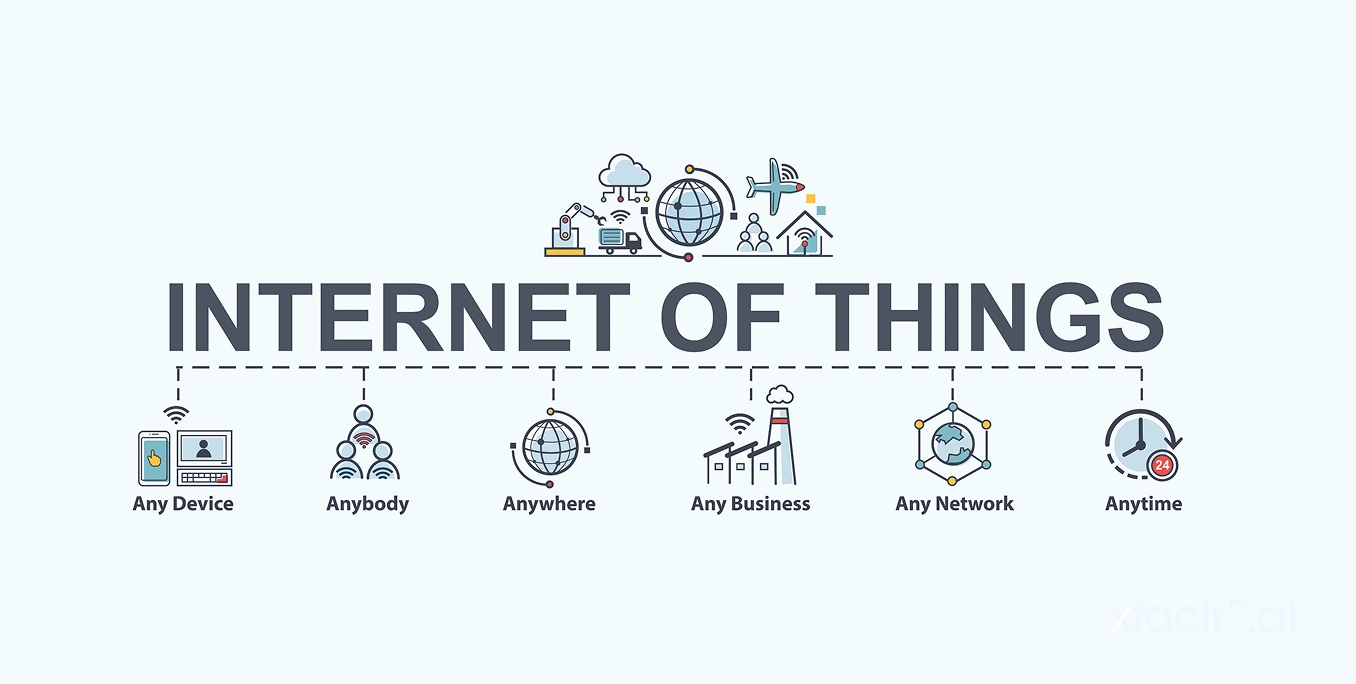
The Internet of Things means that everyday objects such as sensors, devices, machines, and appliances get connected to the internet. These objects can share data, send signals, and even take actions automatically without human interference.
For example, a smart sensor in a water tank could check water level and alert a person or turn on a pump when needed.
IoT relies on a few core components: a sensor or device, internet connectivity like Wi-Fi or mobile networks, and software or a system that collects and analyses data, then performs a useful action.
So, to answer, what is internet of things, they refer to a network of connected devices working together to make life smarter or businesses more efficient.
Why IoT Matters?
Automation and convenience
IoT allows routine tasks to happen automatically. A thermostat could adjust room temperature, and a smart light could switch off when no one is in the room. For busy students or working people, this saves time and effort.
Better use of resources and cost saving
Real-time data and smart decisions
Safety and maintenance
New opportunities and innovations

Common Applications Of IoT
Smart Manufacturing
Energy Management
Healthcare Monitoring
Supply Chain and Logistics
Environmental Monitoring
Connected Offices and Buildings

IoT Growth: How Big Is It Really?
- Current Scale (2025): There are around 19.8 billion connected IoT devices worldwide.
- Future Growth (2034): By 2034, the number of connected devices is expected to reach 40.6 billion.
- Global Reach: IoT devices are everywhere from homes, schools, offices, factories, to cities. Soon, interacting with IoT systems will become part of everyday life.
These points show that IoT is no longer just a tech trend. It’s expanding rapidly and shaping how people live and work.
With IoT growing so fast, let’s explore the trends that will define its future.
Future Trends in IoT
IoT is growing fast and becoming smarter every day. In the future, more devices will use AI to make decisions on their own, not just collect data. Edge computing will let devices process information quickly without waiting for a central server. Businesses will use IoT for predictive analytics, spotting problems before they happen. Security will improve to keep connected devices safe.
The global IoT market is expected to reach USD 865 billion by 2030, with 39 billion connected devices worldwide, and satellite IoT connectivity growing at a 26% CAGR to USD 4.7 billion, helping businesses make smarter decisions.
Key Takeaways
Now that you understand what is internet of things, how it works, and the opportunities it brings, you can see how IoT is shaping the way we live, learn, and work. From smarter homes and schools to more efficient industries and cities, connected technology is creating convenience, insights, and possibilities that were once unimaginable.
At XFactr.AI, we partner with businesses to harness the full potential of IoT and AI. If you want to streamline operations, improve efficiency, and make smarter decisions, reach out to us today.