
Table of contents
- Overview
- Why Go Became Popular for Backend Systems
- What Makes Go Ideal for Microservices Architecture
- Why Cloud-Native Applications Prefer Go
- Key Benefits of Using Go for Scalable Applications
- Go vs Other Backend Languages
- Common Use Cases of Go in Modern Development
- Is Go the Right Choice for Your Project?
- Future of Go in Cloud and Microservices Development
- Final Thoughts
Have you noticed how modern applications are expected to perform seamlessly, regardless of how many users access them simultaneously? From payment platforms to streaming services, businesses today require backend systems that can scale rapidly without compromising speed or reliability. This is where Golang Development stands out. With its lightweight architecture, built-in concurrency, and high-performance capabilities, Go enables organizations to build scalable, efficient, and reliable backend systems that can handle growing user demands with ease.
This is one reason why Go has become such a popular choice for backend development. Built by Google, Go helps developers create fast, lightweight, and scalable applications without adding unnecessary complexity.
In this blog, you’ll discover why Golang Development has become a preferred choice for building microservices and cloud-native applications. We’ll explore how the Go Programming Language delivers exceptional performance, scalability, and reliability, where businesses are using it today, and whether it is the right technology for your next software development project.
Why Go Became Popular for Backend Systems
Modern backend systems need technologies that are fast, scalable, and easier to maintain. Go became popular because it solves these challenges without adding unnecessary complexity.
Its focus on performance, simplicity, and concurrency made it a natural fit for APIs, cloud platforms, and distributed systems.
1. Simple Syntax
Go keeps code clean and readable, which makes collaboration and maintenance much easier for development teams. Developers can understand project structure quickly without dealing with overly complex logic.
2. High Performance
As a compiled language, Go executes faster and handles heavy traffic efficiently. This makes it useful for APIs, SaaS platforms, and cloud applications where speed and stability matter.
3. Built-In Concurrency
Go uses goroutines to run multiple tasks simultaneously without consuming excessive resources. This helps backend systems process requests smoothly and scale more efficiently.
4. Faster Development
Go’s strong standard library and quick compilation process simplify backend development. Teams spend less time managing dependencies and more time building and deploying features.
5. Cloud Support
Go works naturally with cloud-native infrastructure and DevOps workflows. Many modern cloud tools rely on Go because of its lightweight architecture and networking capabilities.
That combination of simplicity, speed, and scalability made Go highly relevant for microservices and distributed systems as cloud-native development continued growing.
What Makes Go Ideal for Microservices Architecture
Microservices architecture breaks applications into small, independent services that communicate through APIs. It helps systems scale better and stay flexible, but it also needs backend services that are fast, lightweight, and easy to manage.
Go fits this setup well because it is simple, performs well under load, and handles concurrency efficiently without adding complexity.
1. Lightweight Services
Go builds small binaries and uses very little system memory. This makes services easier to deploy and run smoothly in cloud and container environments.
2. Fast APIs
Go has strong built-in support for networking, which helps in building fast REST and gRPC APIs. It handles large numbers of requests without slowing down.
3. Easy Scaling
Go manages multiple tasks at the same time using goroutines. This makes it easier to scale services when traffic increases.
4. Better Isolation
Each service runs on its own, so issues in one service do not affect others. This improves system stability and reduces downtime.
5. Faster Startup
Go services start quickly inside containers, which improves deployment speed and works well with systems like Kubernetes.
For example, an e-commerce system can split payments, inventory, authentication, and notifications into separate services. When traffic increases, only the required services need to scale.
This makes microservices more practical and easier to manage in real-world cloud systems.
Why Cloud-Native Applications Prefer Go

Cloud-native systems run on containers, orchestration platforms, and distributed infrastructure. They need backend technologies that are lightweight, portable, and reliable at scale.
Go fits these needs well because it is efficient, simple to deploy, and stable under heavy workloads.
1. Cloud Tools
Many core cloud technologies are built with Go, including:
- Kubernetes
- Docker
- Terraform
- Prometheus
This shows how deeply Go is embedded in modern cloud infrastructure.
2. Lower Costs
Go uses less CPU and memory compared to many heavier backend stacks. This helps reduce cloud costs while keeping performance stable, especially in systems that scale frequently.
3. Container Support
Go compiles into single binaries with minimal dependencies. This creates smaller container images and faster startup times, improving performance in orchestration systems.
4. Strong Networking
Go has built-in networking tools for handling distributed communication efficiently. This keeps services reliable even under high traffic and complex system loads.
As cloud adoption grows, the demand for lightweight and scalable backend systems continues to increase. Go fits naturally into that shift.
Key Benefits of Using Go for Scalable Applications
Scalable systems need more than speed. They need stability, easy deployment, and clean maintenance as applications grow.
Go supports all of this while keeping backend development simple and efficient.
1. Faster Response
Go processes requests quickly and reduces latency under heavy traffic. This improves user experience across APIs, SaaS platforms, and real-time systems while keeping performance stable during spikes.
2. Easier Maintenance
Go promotes clean and consistent coding practices. This reduces long-term code complexity and makes large systems easier for teams to maintain and update.
3. Simple Deployment
Go compiles into a single executable file, which simplifies deployment. It reduces dependency issues and improves CI/CD workflows for faster releases.
4. Better Stability
Go handles concurrent workloads efficiently while keeping system resource usage low. This helps applications stay stable even during sudden traffic spikes.
5. Resource Efficiency
Go uses CPU and memory efficiently, which helps reduce infrastructure costs. This becomes important as applications scale in cloud environments.
Go vs Other Backend Languages
Different backend languages are built for different strengths, whether it is speed, ecosystem size, or development flexibility. Understanding how Go compares helps clarify where it fits best in modern backend systems.
| Feature | Go | Python | Java | Node.js |
|---|---|---|---|---|
| Performance | High | Moderate | High | Moderate |
| Concurrency | Excellent | Limited | Strong | Good |
| Startup Speed | Fast | Fast | Moderate | Fast |
| Resource Usage | Low | Moderate | Higher | Moderate |
| Learning Curve | Simple | Simple | Moderate | Simple |
| Cloud Support | Excellent | Good | Strong | Strong |
Go stands out because it delivers strong performance with low resource usage while keeping development simple. It is especially effective for cloud-native systems where scalability and efficiency matter more than anything else.
Common Use Cases of Go in Modern Development
Golang Development is widely used in systems where performance, scalability, and backend reliability are critical. Its lightweight architecture and efficient concurrency model make it an ideal choice for both fast-growing startups and large enterprise environments.
Its adoption continues to grow because modern cloud infrastructure demands technologies that are simple, efficient, and easy to scale.
1. Cloud Platforms
Go is widely used in cloud infrastructure and automation systems. Its strong concurrency support helps manage distributed workloads efficiently. Many cloud engineering teams rely on it for building scalable backend tooling.
2. API Services
Go is commonly used for REST APIs, authentication systems, payment services, and backend microservices. It handles high request loads efficiently, making it ideal for scalable SaaS and enterprise applications.
3. DevOps Tools
Go powers many monitoring, deployment, and infrastructure automation tools. Its lightweight nature and fast execution make it a strong choice for DevOps workflows that demand reliability and speed.
4. Real-Time Apps
Go performs well in real-time systems like chat applications, streaming platforms, and gaming backends. Its concurrency model helps handle continuous communication without performance drops.
5. Large Companies
Go is used in production at major companies such as:
- Uber
- Netflix
- Dropbox
These companies run large-scale systems, which highlights Go’s ability to handle complex, high-traffic infrastructure.
While Go is powerful, the right backend language still depends on specific business needs, scalability goals, and system complexity.
Is Go the Right Choice for Your Project?
Go is a strong fit for cloud-native applications, microservices, scalable APIs, SaaS platforms, and distributed systems. Its fast performance, lightweight architecture, and built-in concurrency support help businesses scale applications efficiently while keeping backend systems easier to maintain and deploy.
That said, the right choice still depends on your project goals. AI and machine learning projects may benefit more from Python’s ecosystem, while graphics-heavy applications may require different technologies. But for scalable backend and cloud infrastructure development, Go remains one of the most practical choices today.
Future of Go in Cloud and Microservices Development
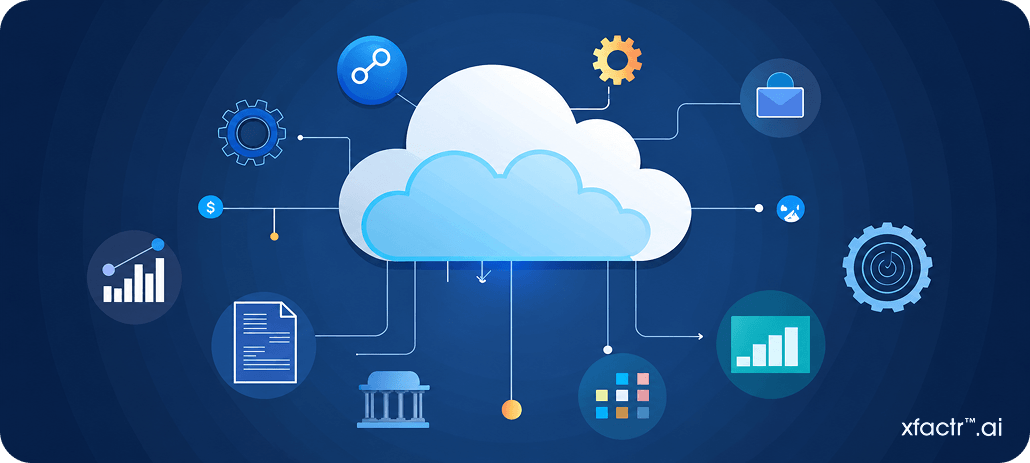
Go continues gaining momentum as businesses move toward cloud-native infrastructure and distributed systems. According to the 2024 Stack Overflow Developer Survey, Go remains one of the most admired programming languages because of its simplicity, performance, and reliability.
Its future also looks strong because major cloud technologies like Kubernetes, Docker, and Terraform are built using Go. This keeps the language closely connected to modern cloud and DevOps ecosystems.
Gartner predicts that more than 95% of new digital workloads will run on cloud-native platforms by 2025. As businesses continue scaling distributed systems and microservices architecture, demand for fast and lightweight backend technologies like Go is expected to grow steadily.
Final Thoughts
Modern applications need backend systems that are fast, scalable, and easy to maintain as they grow. Go helps achieve this with its clean syntax, strong concurrency model, lightweight design, and cloud-ready architecture. It fits naturally into microservices and cloud-native environments, making it a practical choice for building reliable and high-performing systems.
If you are planning to build scalable applications, choosing the right development partner matters a lot. A skilled team helps you design efficient systems, improve performance, and avoid costly issues later. Talk to XFactr.AI if you need help building reliable, cloud-ready backend systems that scale smoothly.
FAQ
1. When should I choose Go over other backend languages?
You should choose Go when your project needs high scalability, fast performance, and efficient handling of concurrent users. It works especially well for cloud-native apps, microservices, and APIs that expect steady or rapidly growing traffic over time.
2. Is Go difficult to learn for beginners?
Not really. Go has a simple syntax and fewer complex rules compared to many backend languages. If you understand basic programming concepts, you can start building APIs and backend services fairly quickly with consistent practice.
3. Can Go handle large-scale production systems?
Yes, Go is widely used in large production systems because it handles high traffic, concurrency, and distributed workloads efficiently. Companies like Google, Uber, and Netflix use it to run critical backend services at massive scale reliably.
Start Your AI Transformation Today
Blogs