
Are you sitting on tons of images and videos but not really using them?
Every day, your business collects visual data. CCTV footage, product images, medical scans, customer uploads. It keeps growing, but most of it goes untouched. Teams don’t have the time or tools to go through everything, so decisions get delayed and small errors often go unnoticed.
You know the data holds value, but acting on it feels slow and manual. And that slows down your entire workflow.
Computer vision changes this. It helps systems understand visual data instantly and respond in real time, turning what you already have into faster, smarter decisions.
What Is Computer Vision?
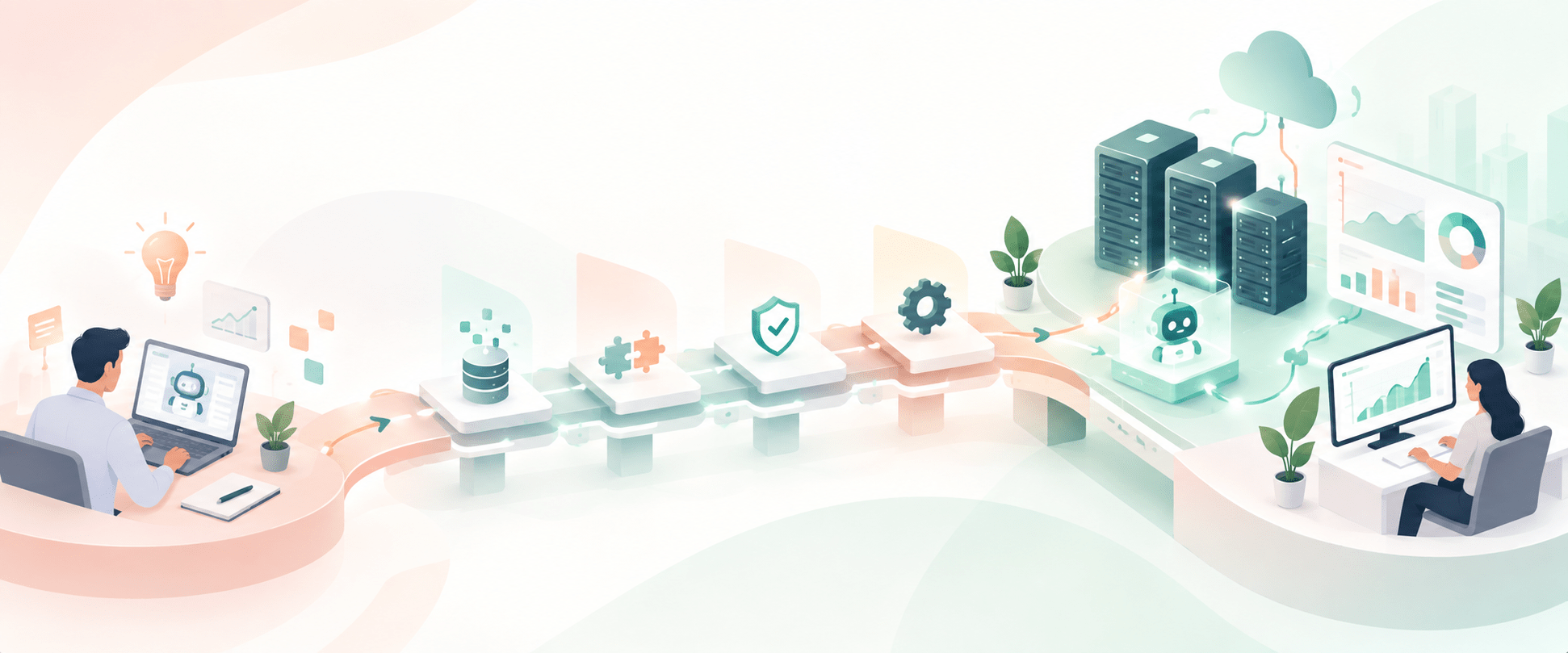
Computer vision is a type of AI that allows machines to look at images or videos and understand them. Just like a person would. It takes visual input, processes it, and then gives an output or action.
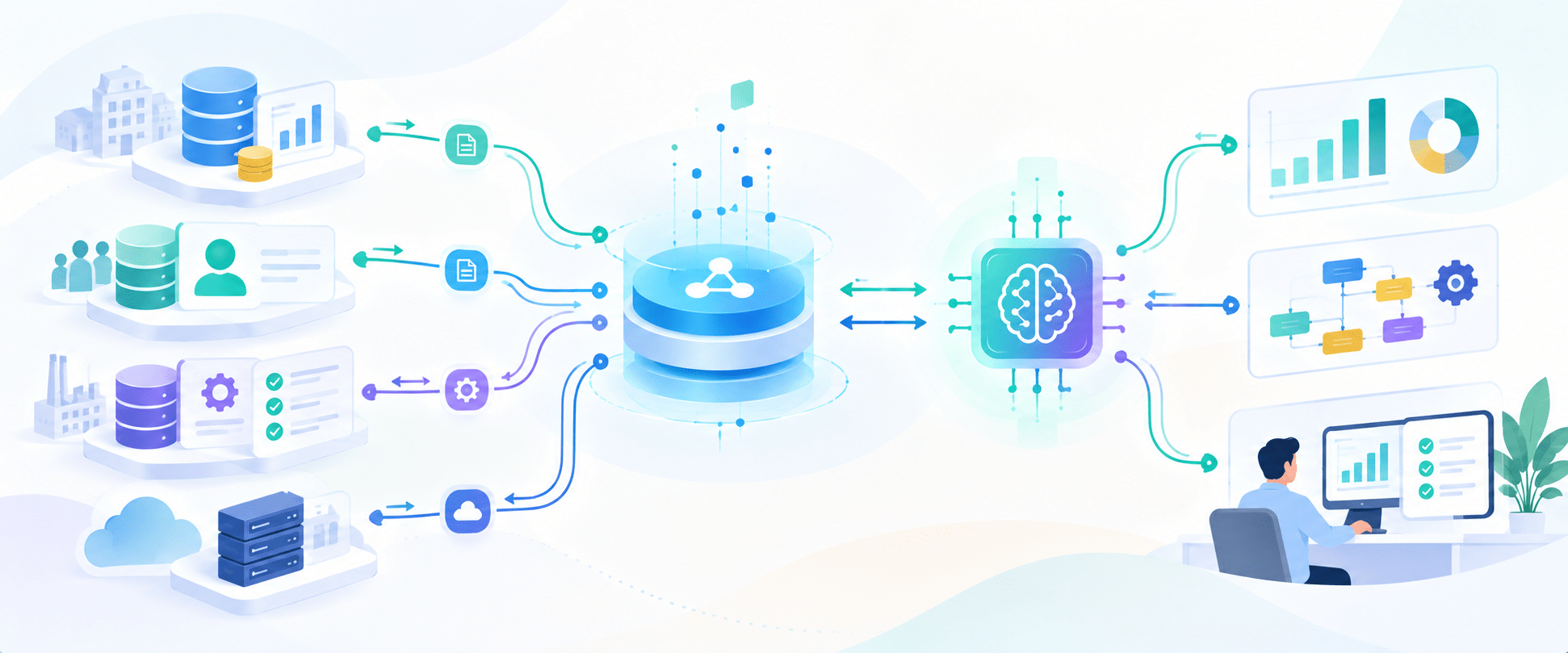
Here is how it usually works:
- A camera captures an image or video
- The system processes it using trained AI models
- It identifies objects, patterns, or people
- Then it triggers a response or insight
This could be something small, like tagging a product in an image. Or something critical, like detecting a fault in a machine.
Now let’s look at where is computer vision actually being used today.
10 Real-World Applications of Computer Vision in 2026
Computer vision is no longer limited to labs or research. It is being used across industries to solve real problems. Each of these applications shows how visual data can turn into quick, practical decisions.
Let’s go one by one.
1. Healthcare Diagnostics
Healthcare has seen some of the biggest impact from computer vision. Doctors deal with thousands of images every day, and not all of them are easy to analyse quickly.
Computer vision helps by scanning X-rays, MRIs, and CT scans to detect early signs of diseases. It can highlight areas that need attention, sometimes even before symptoms appear.
This helps doctors take quicker decisions, leading to better patient recoveries. It cuts down manual checks, making it easier for medical teams to manage their workload, even when they’re busy.
2. Autonomous Vehicles and Driver Assistance
Computer vision is a key part of self-driving technology, but it’s also being used in many modern vehicles today in practical ways.
These systems can detect lanes, read traffic signs, and identify pedestrians in real time. So when something unexpected happens, the system can respond quickly and support the driver.
Features like automatic braking and lane assist are powered by this. And over time, they’re helping make roads safer for everyone, whether you use them directly or not.
3. Retail Checkout and Store Automation
Retail is changing fast, especially in how customers shop inside stores. Long billing queues are slowly becoming a thing of the past.
Computer vision allows stores to track what a customer picks up. So instead of scanning items at a counter, the system already knows what was taken.
Customers can simply walk out, and the billing happens automatically. It saves time and creates a smoother shopping experience.
4. Manufacturing Quality Inspection
In manufacturing, even a small defect can lead to big losses. Manual inspection is not always reliable, especially when production is fast.
Computer vision systems monitor products on assembly lines and spot defects instantly. It could be a scratch, a missing part, or a wrong fit.
The system flags the issue right away, so it can be fixed before it moves further. This helps maintain quality without slowing down production.
5. Security and Surveillance Systems
Security systems have become much smarter with computer vision. It is no longer just about recording footage.
Modern systems can recognise faces, detect unusual behaviour, and send alerts in real time. For example, if someone enters a restricted area, the system can notify authorities immediately.
This reduces the need for constant human monitoring and helps improve response time in critical situations.
6. Agriculture and Crop Monitoring
Farmers are also starting to use computer vision in practical ways. Agriculture may seem traditional, but technology is quietly making an impact here.
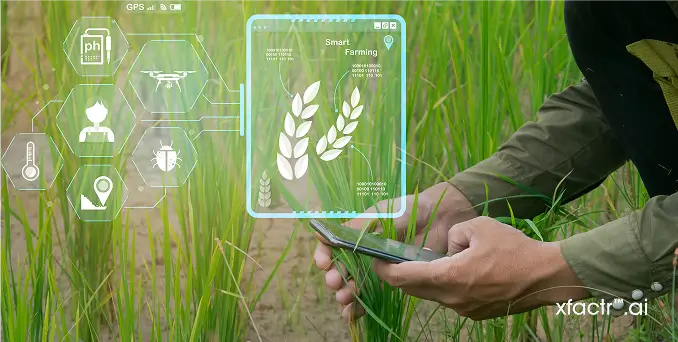
Drones and cameras can scan crops, detect early signs of disease or pest damage, and help farmers take action before the problem spreads.
It also helps monitor crop growth and soil conditions, leading to better yield and less waste.
7. E-commerce Visual Search
Online shopping is no longer just about typing keywords. Many times, you see something you like but cannot explain it clearly.
Computer vision makes this easier by letting users search with images instead of words. You can upload a photo or screenshot, and the system finds similar products within seconds.
This removes guesswork from search and helps people find what they are actually looking for. For businesses, it leads to better engagement and higher chances of purchase.
8. Patient Monitoring and Elder Care
In hospitals and care homes, continuous monitoring is important. But it is not always possible for staff to watch every patient at all times.
Computer vision helps track patient movement and behaviour. It can detect falls, unusual inactivity, or sudden movements.
Alerts can be sent immediately to caregivers, which improves safety, especially for elderly patients who need constant attention.
9. Smart Cities and Traffic Management
Cities are becoming more data-driven, and traffic management is seeing real improvements.
Computer vision analyses live road conditions, tracks vehicle movement, and detects congestion or violations in real time.
This helps signals adapt to actual traffic, reduces congestion, and gives authorities better data for planning and managing roads.
10. Sports Analytics and Performance Tracking
Sports teams are increasingly relying on data, and computer vision plays a key role.
It monitors player movements, analyses positioning, and provides detailed insights during and after games.
Coaches can use this information to refine strategies and enhance player performance, while fans enjoy more accurate real-time statistics.
Key Benefits of Computer Vision
Here are the main advantages of computer vision, explained clearly:
- Automates Repetitive Tasks – Computer vision can handle tasks that are repetitive and time-consuming, freeing up employees to focus on more important work.
- Improves Accuracy – By reducing human error, it ensures processes like inspection, monitoring, and analysis are more reliable.
- Provides Real-Time Insights – Businesses can make faster decisions because computer vision delivers instant analysis from images and videos.
- Reduces Operational Costs – Over time, automating visual tasks lowers expenses and improves efficiency across operations.
These benefits make it a powerful tool, but careful planning is needed to address implementation challenges.
Challenges You Should Be Aware Of
Before implementing computer vision, it’s important to know what can slow things down and set realistic expectations:
- Data privacy is a major concern, especially when handling personal or sensitive information.
- Setting up these systems often requires significant initial investment and technical expertise.
- The quality of results depends heavily on the quality and accuracy of the data used for training.
- If not managed carefully, bias in AI models can lead to incorrect or unfair outcomes.
The potential of computer vision is high, but adopting it requires a thoughtful and well-planned approach. And getting help from experts can make the process smoother and ensure these challenges are handled effectively.
Final Thought
Computer vision is quietly transforming the way businesses operate. Its impact may not always be obvious, but across industries like healthcare, retail, and smart cities, it helps systems respond faster, work smarter, and make sense of visual data that was often ignored before.
If your business handles images or videos, there’s a huge opportunity to go beyond automation and truly understand what your data is telling you. With expert guidance from XFactr.AI and custom-built solutions, you can turn visual data into actionable insights, improving decisions and driving real results. Talk to us, today!
FAQ
1. Do I need a huge dataset to start using computer vision in my business?
Not necessarily. While large datasets can improve accuracy, you can start with smaller, high-quality images or videos. Our experts at XFactr.AI can help create models that learn effectively from limited data and grow smarter as you add more.
2. How long does it take to implement computer vision for real results?
It depends on your business needs and data complexity. Simple tasks like image tagging can be set up quickly, while complex monitoring or predictive systems may take a few weeks. With the right guidance, you can see actionable insights much sooner.
3. Will computer vision replace my team or just assist them?
Computer vision is designed to assist, not replace your team. It handles repetitive or time-consuming visual tasks, reduces errors, and provides real-time insights, freeing your staff to focus on strategic decisions and more meaningful work.