

Blog
Mobile Application vs
Web Application: Which Drives More Business Growth?
In today’s fast-moving digital world, for
a business being visible and accessible isn’t
In today’s fast-moving digital world, for a business being visible and accessible isn’t just an advantage. It’s needed for the business’ survival. And while on it, many businesses face a dilemma: should they invest in a mobile application or a web application to really grow their customer base?
And honestly, it’s easy to get overwhelmed. Some companies spend heavily on apps that hardly anyone uses, while others have websites that fail to engage visitors. Choosing the wrong platform can cost time, money, and growth opportunities, which nobody wants.
The solution? by the end of this blog you’ll have a clear sense of where to invest for maximum business growth and how understanding the difference between web application and mobile application can guide your decisions.
What Is Web and Mobile Application?
Before making decisions, it’s important to know what we’re really dealing with.
A web application is an interactive platform that runs through a browser. Users don’t need to install anything, they just access it online from any device. Think Gmail, online banking portals, or project management tools like Trello. These apps are great for businesses that want wide reach without requiring users to download anything.
And a mobile application? That’s designed specifically for smartphones and tablets. Users download it from app stores, and it often uses device features like GPS, cameras, and push notifications. Apps like WhatsApp, Instagram, or Spotify are probably things you use almost every day. Mobile apps are ideal for creating personalized experiences and fostering long-term engagement.
Now that you’ve understood the difference between web application and mobile application, let’s see how each platform can help your business grow.

Core Features of Web Applications
Web applications are designed to be accessible and easy to manage. They let businesses reach a wide audience and keep everything centralized for easier updates.
Here’s what they typically offer:
- Browser-based Access: Users can log in from any device with a browser. No installations, no fuss. This makes it easier for new users to try your services.
- Responsive Design: Adjusts automatically to different screen sizes so it works on desktops, tablets, and laptops. Users don’t have to zoom or scroll awkwardly.
- Centralized Updates: All updates happen on the server, so everyone always has the latest version. You don’t need to worry about users missing important changes.
- Security Measures: Often includes encryption and security protocols to keep data safe. This is particularly important for financial or sensitive applications.
- Integration Capabilities: Can connect with CRM tools, analytics, and other software to smooth out business operations. This allows you to track usage and improve functionality over time.
Core Features of Mobile Applications
Mobile apps focus on engagement and creating personal experiences. They leverage device features to keep users coming back.
Key features of Mobile Applications include:
- Offline Functionality: Many apps work without internet, which is super handy for users on the go.
- Push Notifications: Directly notify users about updates, promotions, or new content. Notifications help bring users back regularly.
- Device Integration: Use GPS, cameras, and sensors to enhance the user experience. Features like AR or location-based services can make apps feel innovative.
- Smooth Performance: Mobile apps have faster interfaces and more responsive interactions. And this is important because users don’t like delays or clunky desig.
- User Loyalty: Regular app use encourages stronger brand loyalty and keeps customers coming back. Personalized experiences and reward systems can make this effect even stronger.
Benefits of Web Application for Business
- Wide Accessibility: Users can access the app from any device without needing to install anything. This makes it easy for new users to try out your services and keeps them engaged.
- Cost-Effective: Developing and maintaining web applications is usually cheaper than mobile apps. Small businesses can launch online without heavy upfront costs.
- Easy Updates: Changes and improvements are applied instantly without waiting for app store approvals. This ensures users always see the latest version.
- SEO Advantages: Web applications help boost your online visibility and attract organic traffic. More visibility often translates into more potential customers.
- Integration with Tools: Web apps can connect seamlessly with analytics, CRM, and other software, helping businesses streamline operations and make informed decisions.
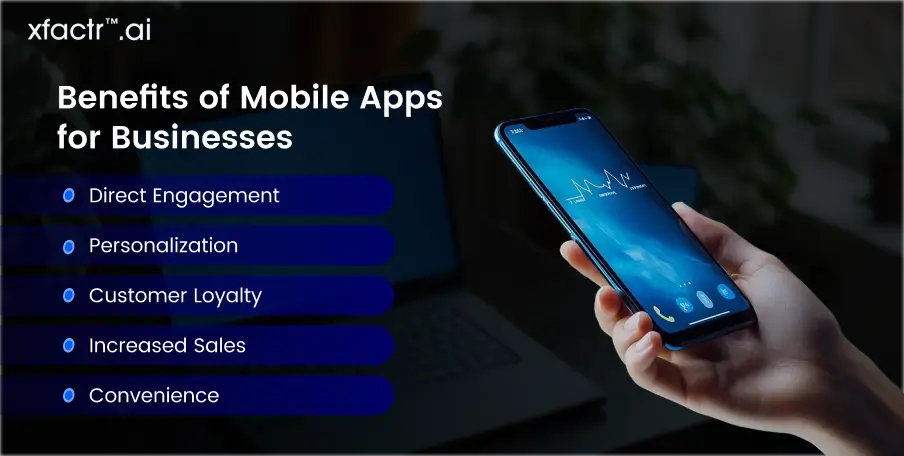
Benefits of Mobile Apps for Businesses
- Direct Engagement: Push notifications and in-app messages keep users connected and coming back. This helps you communicate quickly and effectively with your audience.
- Personalization: Apps can customize experiences based on user behavior and device features. Personalized recommendations often lead to happier, more satisfied users.
- Customer Loyalty: Regular app use encourages repeat interactions and stronger attachment to your brand. Integrated loyalty programs make this effect even more powerful.
- Increased Sales: Mobile apps support in-app purchases, faster checkouts, and special promotions. This convenience not only helps users but also boosts your revenue.
- Convenience: Users can access services anytime, often even without internet. Easy access and flexibility can make a big difference in overall satisfaction.
Mobile Application vs Web Application: Key Differences
| Feature/Aspect | Web Application | Mobile Application |
|---|---|---|
| Accessibility | Can be accessed via any browser on multiple devices | Needs download from app stores |
| User Engagement | Moderate interaction, less personalized | High engagement with push notifications |
| Offline Functionality | Requires internet to function | Some features can work offline |
| Performance | Depends on browser and internet speed | Faster and smoother interactions |
| Maintenance & Updates | Centralized updates, easy deployment | Updates via app stores, may need user action |
| Integration Capabilities | Easy integration with other web tools | Can access device hardware and sensors |
| Cost | Generally lower development & maintenance | Often higher development and maintenance cost |
Unified Approach: Leveraging Both Platforms
Many businesses grow best by using both web and mobile applications. This lets you reach a wider audience while keeping users engaged.
For example, a retail brand can let customers browse and buy on a web app, while the mobile app sends personalized offers, tracks loyalty points, and notifies users about deals. Customers get convenience and regular interaction, which keeps them coming back. Combining web application and mobile application provides broad reach, strong engagement, and better retention overall.
Conclusion
Choosing between a web application and a mobile application isn’t about picking one over the other. It’s about understanding your business goals, knowing your audience and deciding how you want people to interact with your brand. Each platform has its strengths and using both together can boost growth, engagement and customer loyalty.
If you’re unsure where to start, we at XFactr.AI, a leading Software Development Company in Bangalore, can help. We design and implement both platforms seamlessly, ensuring your business gets the most out of web application and mobile application and is loved by your customers.
FAQs
Can a business use both web and mobile applications?
Absolutely. Using both helps businesses reach more people while keeping loyal users engaged through mobile apps.
Is a mobile app always better for engagement?
Not always. It depends on your audience and goals. While mobile apps are great for frequent interactions, web apps provide accessibility and wide reach.
How do I decide whether to focus on web or mobile first?
Consider your audience, budget, and objectives. Understanding the difference between web application and mobile application has helped many businesses start with a web app for reach, then add a mobile app to boost engagement and loyalty.